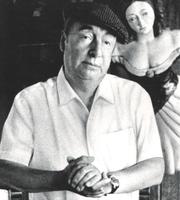
12 July 1904 – 23 September 1973
Ricardo Eliécer Neftalí Reyes Basoalto (12 July 1904 – 23 September 1973), better known by his pen name and, later, legal name Pablo Neruda (/nəˈruːdə/; Spanish: [ˈpaβlo neˈɾuða]), was a Chilean poet-diplomat and politician who won the 1971 Nobel Prize in Literature. Neruda became known as a poet when he was 13 years old, and wrote in a variety of styles, including surrealist poems, historical epics, overtly political manifestos, a prose autobiography, and passionate love poems such as the ones in his collection Twenty Love Poems and a Song of Despair (1924). [source](https://en.wikipedia.org/wiki/Pablo_Neruda)
Veinte poemas de amor y una canción desesperada
1924
Poems
1943
Prentice Hall Literature--World Masterpieces
1991
Cien sonetos de amor
1960
Confieso que he vivido
1974
Canto general
1943
100 Love Sonnets
2007
Prentice Hall Literature--Timeless Voices, Timeless Themes--Silver Level
2002
Prentice Hall Literature - Timeless Voices, Timeless Themes - The British Tradition
2002
Residencia en la tierra
1935
The Poetry of Pablo Neruda
1982
Abriendo Puertas
2002
Prentice Hall Literature--Timeless Voices, Timeless Themes--World Literature
2001
Los versos del capitán
1954
Alturas de Macchu Picchu
1954
World Literature 1999
1999
Libro de las preguntas
1974
Odas elementales
1954
Love Poems
2008
Prentice Hall Literature--Timeless Voices, Timeless Themes--Reader's Companion--Silver
2002
Pearson Literature--California--Reading and Language
2010
Né pour naître
1978
Neruda
2004
Arte de pájaros
1973